Capture is solved, retrieval is not
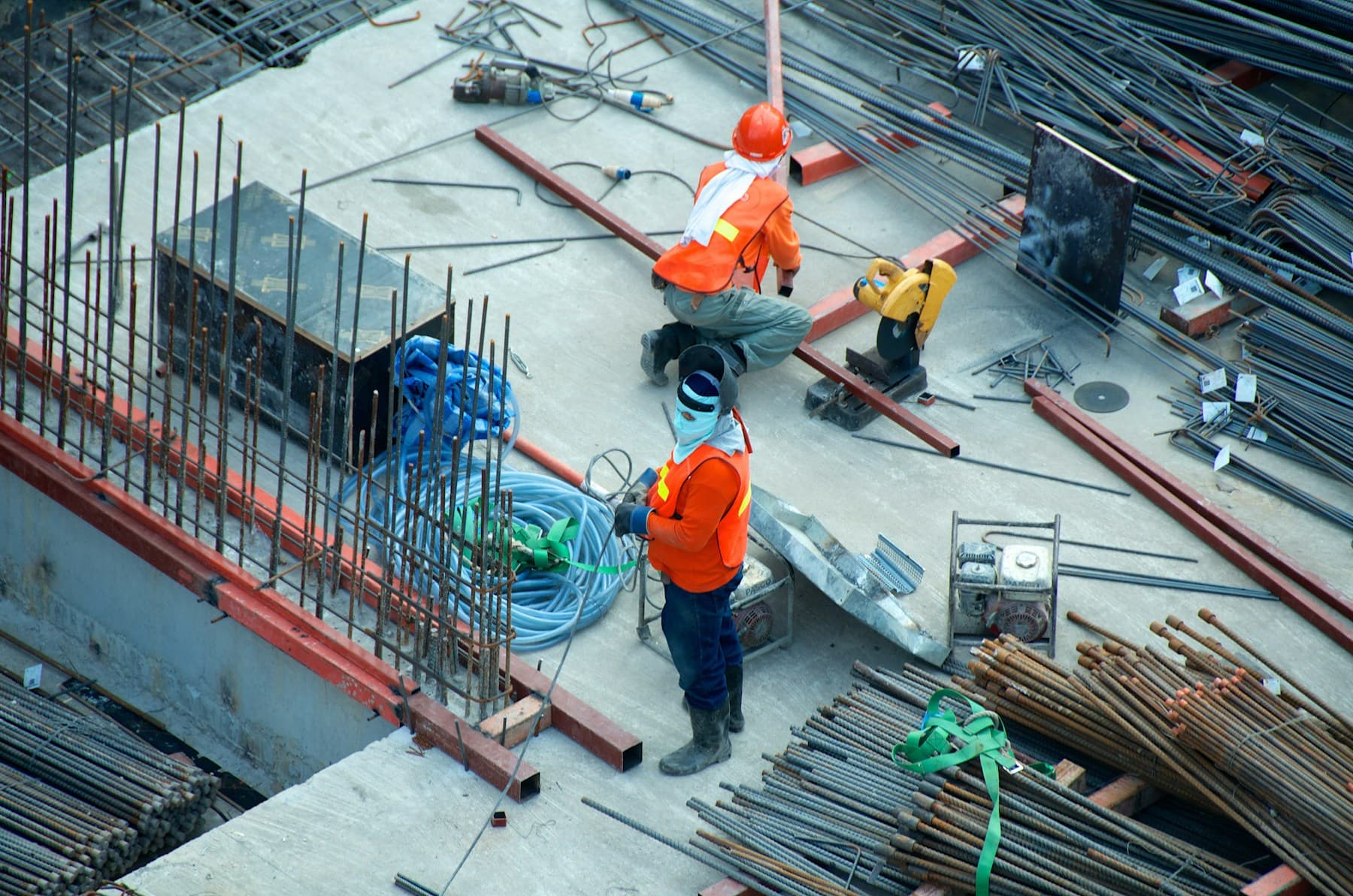
Every superintendent already takes photos. They accumulate by the thousand across personal phones, text threads, and occasionally a project platform. The problem is never a shortage of images. It is that when a dispute arises eight months later about whether a conduit was installed before the wall closed, nobody can locate the photograph that proves it.
The value of documentation is entirely in retrieval. A photo that cannot be found does not exist for practical purposes, and the effort of taking it was wasted.
Metadata is what makes a photo findable
A useful photo record carries the project, the date and time, the location within the building, the work or trade shown, who took it, and why. Date and time come from the device. The rest has to be attached, and requiring a superintendent to type it will not work.
This is where image analysis and voice capture help. A spoken sentence at the time of capture supplies the location and purpose. Image classification can suggest the trade and work type. A person confirms with one tap. Imperfect tagging applied to every photo is dramatically more useful than perfect tagging applied to the few somebody had time for.
Photograph the moments that carry evidentiary weight
Some images matter far more than others. Conditions before your work begins, which establishes what you inherited. Work that will be concealed, photographed immediately before cover. Damage caused by other trades, at the moment it is discovered. Site conditions during a delay event. Completed punch items. Deliveries received, including quantity and condition.
Make these a standing routine rather than a reaction. A short list of triggers, understood by the field team, produces a record that supports claims rather than one that merely documents that work happened.
Connect photos to the records that use them
A photo gains force when it is attached to something: a change order showing the out-of-scope condition, a daily report showing the delay, an RFI showing the conflict, a punch item showing completion. Photos living in a gallery separate from the project record require someone to remember they exist.
Automating the connection is realistic. When a photo is captured during a change order capture, it attaches. When it is taken with a spoken reference to an RFI, it links. The effect is that the supporting evidence is already in place when the document is prepared, rather than being hunted for afterward under time pressure.
Storage and retention need a decision
Photo volume grows quickly and the records need to outlive the project, often by years, because warranty periods and statutes of repose extend well past closeout. Images living on personal phones do not survive a device change or an employee departure, and that is where a surprising amount of a contractor's evidence currently resides.
Set a clear rule: project photographs belong to the company, are transferred off personal devices automatically, and are retained for a defined period tied to the contract and applicable law. Then confirm the retrieval actually works by testing it on a closed project. The time to discover that the archive is unsearchable is not during a claim.
