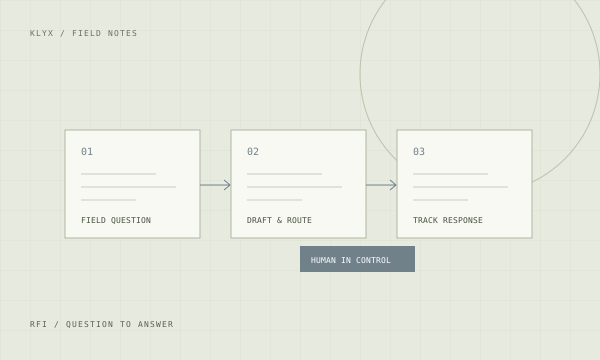
A log is useful only when the status is current
An RFI log can show that a question exists without showing what anyone should do next. Add an internal owner, a response-needed date, and a next action. Separate the date your crew needs an answer from any formal response deadline.
Keep the original question and supporting documents linked to the record. Avoid rewriting technical details across multiple disconnected lists.
Draft from field questions, then review
A field question may need context before it is ready for submission. A draft can collect the job, drawing reference, observed conflict, and requested clarification. Missing details should be flagged for the project manager to fill in.
The person responsible for the work must review technical accuracy. AI should not make a design decision or treat an uncertain assumption as an approved instruction.
Use reminders that point to an action
A useful reminder says who owns the item, why the answer is needed, and where to find the current thread. Group routine follow-ups and escalate schedule-sensitive questions through the process agreed with the project team.
When a response arrives, confirm it actually resolves the question. An acknowledgment is not always an answer. Record who reviewed the response and how the field team was informed.
Start with one active log
Use a live project to identify stale records, duplicate entries, and questions with no next action. That review will reveal which administrative steps can be connected and which require better ownership first.
KLYX helps subcontractors connect RFI drafting, tracking, and follow-up to the tools their teams already use. The first conversation starts with the current process.
